
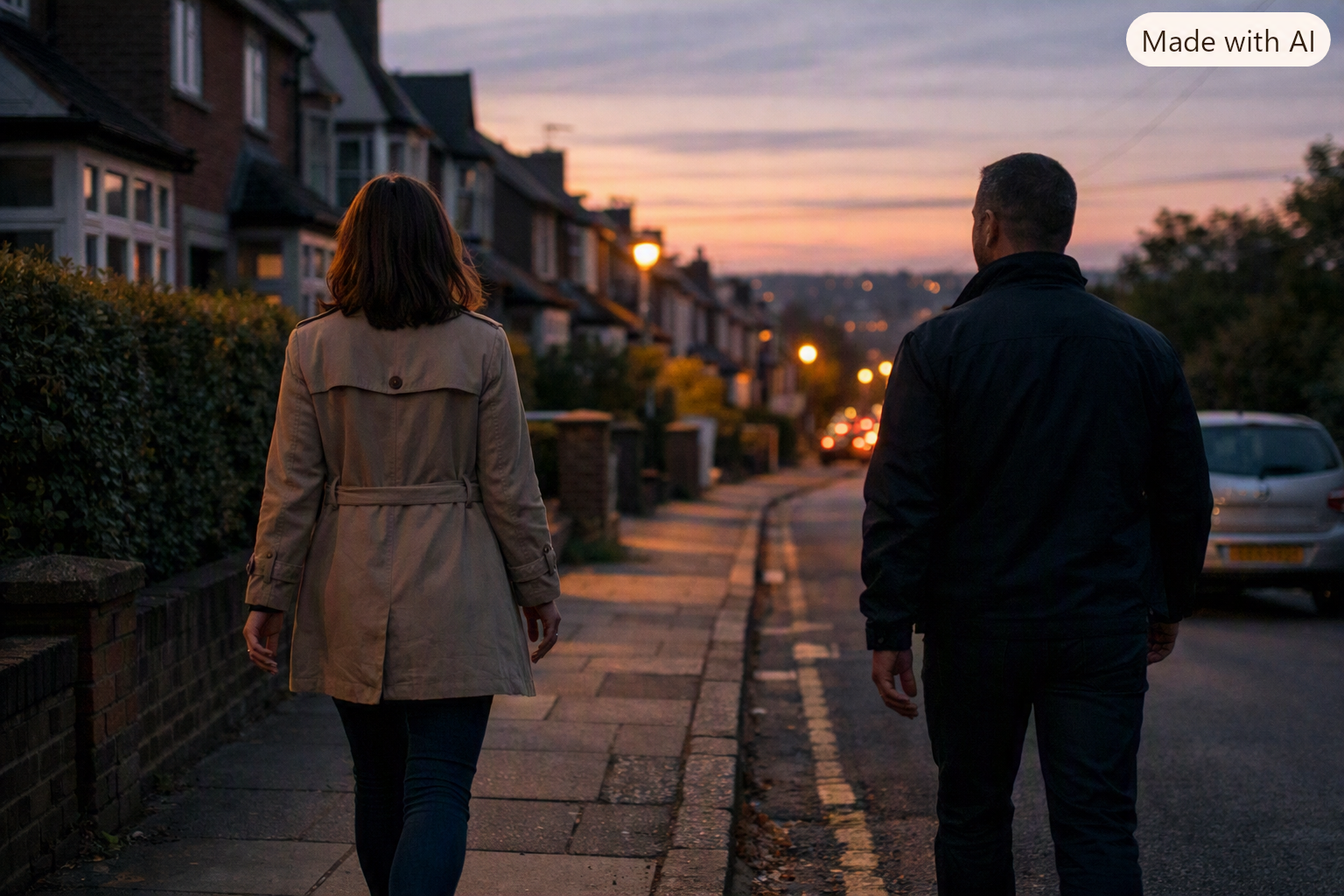
Being stalked or harassed is frightening, and it can escalate in ways that are difficult to predict. If you are worried about your safety right now, contact the police on 999 in an emergency, or 101 in a non-emergency. For confidential advice you can also call the National Stalking Helpline on 0808 802 0300. This guide explains how stalking is treated in law, the practical steps that help keep you safe, and how professional protection from stalking and harassment can support you alongside the police.
Stalking and Harassment: What the Law Says
Stalking and harassment are criminal offences in the UK. The Protection from Harassment Act 1997 makes it an offence to pursue a course of conduct that amounts to harassment or that causes someone to fear violence. The Stalking Protection Act 2019 introduced Stalking Protection Orders, which the police can apply for to place restrictions on a stalker at an early stage, even before a conviction. Breaching an order is itself a criminal offence. You do not have to wait for a situation to become violent before the law can help you, and reporting early creates an official record that supports any later action.
Recognising the Pattern
Stalking is defined by repetition and persistence rather than any single act. It can involve being followed or watched, repeated unwanted contact by phone, message or social media, being sent unwanted gifts, damage to property, or someone turning up where you live, work or socialise. Individually these incidents can seem minor, which is part of what makes stalking so difficult. Taken together they form a pattern, and it is that pattern the police and courts look for. This is why keeping a record matters so much, both for a police investigation and for any stalking protection you decide to put in place.

Practical Steps for Protection From Stalking
There are several things that genuinely improve your safety and strengthen any case:
- Report to the police and keep the crime reference number. Early reporting is important.
- Keep a detailed log of every incident with dates, times, locations and screenshots. Do not delete messages, however unpleasant.
- Review your digital footprint. Change passwords, enable two factor authentication, tighten social media privacy, and check for location sharing on your devices and accounts.
- Vary your routines where you can, so your movements are less predictable.
- Tell trusted people at home and work what is happening, so they can watch for the individual and support you.
- Review the security of your home, including locks, lighting and any gaps in coverage.
You can find further guidance and confidential support through the Crown Prosecution Service and the National Stalking Helpline.
Professional Protection From Stalking: When It Helps
The police lead on investigating and prosecuting stalking, and professional protection from stalking works alongside that process rather than replacing it. Where the risk is high, or where someone simply needs to feel safe again while the legal process runs its course, personal protection can make a real difference. A professional security company will begin with a threat and risk assessment that establishes how serious the risk is and what response is proportionate.
Depending on that assessment, support might include discreet personal protection during higher risk periods, a review and strengthening of your home security, and help documenting incidents in a way that supports the police investigation. For some clients, particularly women who feel more comfortable with a female operative, a female bodyguard can provide protection with additional discretion.
Discreet Stalking Protection and Working With the Police
Good protection in a stalking case is quiet and unobtrusive. The aim is to keep you safe and to avoid provoking escalation, not to confront the individual. Professional operatives are trained in surveillance awareness, which helps identify when and where a stalker is watching, and they will always work within the law and in support of any police action. Everything is handled with strict confidentiality, and the protection from stalking we provide is always designed to keep you safe rather than to escalate the situation.
You Do Not Have to Manage This Alone
Stalking can feel isolating, but there is a clear framework of legal protection and practical support around you. Reporting to the police, keeping records, securing your digital life and, where needed, arranging professional protection all combine to put you back in control. At Security and Safety Solutions, our protection from stalking and harassment is discreet, professional and built around a proper assessment of your individual circumstances. Contact our team for a confidential, no obligation conversation about your situation.
Last reviewed: August 2026
About the author
Tom Richmond is a safety and security subject matter expert with sixteen years of international consultancy and management experience. He served for seven years as a commissioned Army Officer in the Royal Military Police.
His qualifications include the NEBOSH Level 6 Diploma in Occupational Health and Safety, a Level 7 Diploma in Security Management, and a Level 5 Diploma in Leadership and Management. He is also an IFSM Fire Safety Professional and an HSE trained Principal Designer.
Contact Security and Safety Solutions for a confidential consultation.
We’re here to support you
We appreciate that most people haven’t used security services before, so we’ll support you every step of the way so that we fully understand the risk to you, and then provide you with a bespoke solution.
We are contactable 24/7 if you need us, we’re happy to come out and meet you for an introductory meeting, or if a conference call is easier, we’ll fit in around your schedule.
Get in contact now and we’ll talk you through potential options to improve your safety and security.

